


Sberbank Considers Crypto-Backed Loans Amid Regulatory Shifts
Sberbank is exploring crypto-backed loans, potentially using Bitcoin and Ethereum as collateral, amidst evolving regulations for crypto assets in Russia.
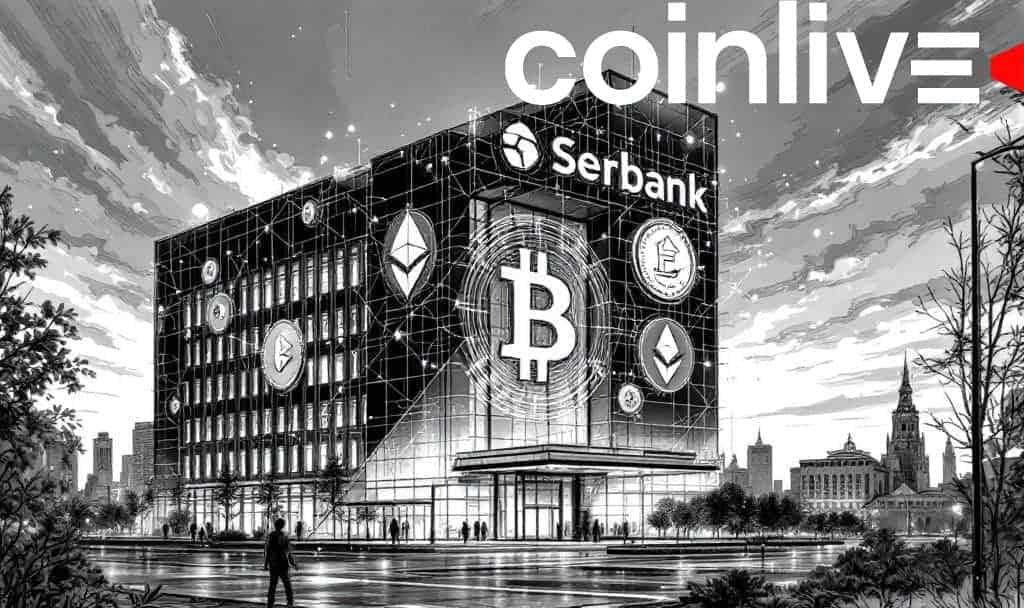
- Sberbank explores crypto-backed loans for ruble lending.
- Potentially involves using Bitcoin as collateral.
- Amid evolving regulations for crypto assets.
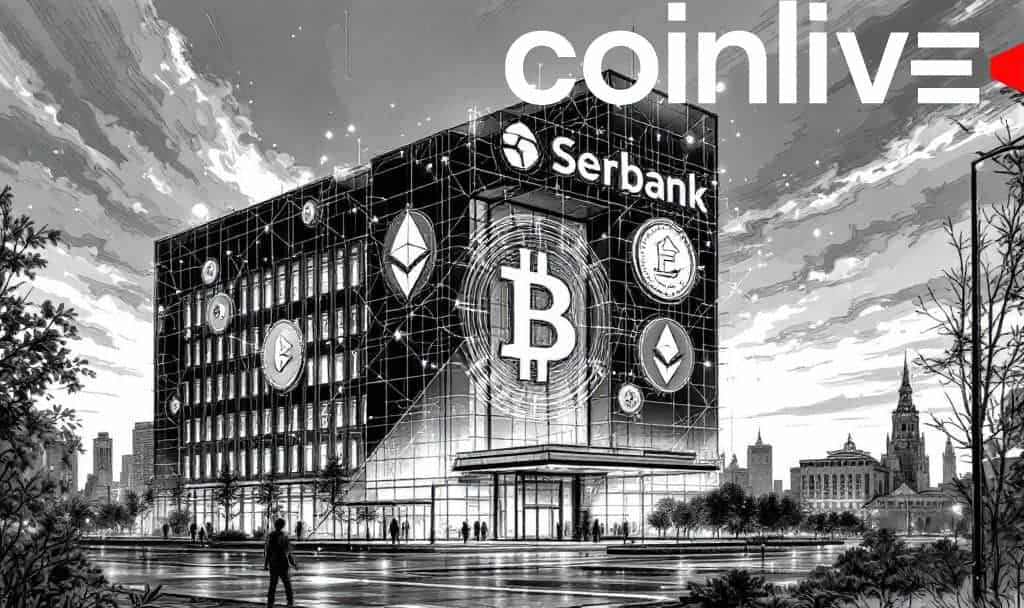
Sberbank, Russia’s largest bank, is reportedly planning to offer ruble loans backed by cryptocurrencies such as Bitcoin and Ethereum, potentially integrating stablecoins and tokenized metals as collateral sources.
This move highlights the Russian banking sector’s growing interest in crypto solutions amid regulatory considerations, suggesting potential shifts in financial services and asset management practices.
Russia’s largest bank, Sberbank, is reportedly exploring the possibility of launching crypto-backed loans. These loans would allow ruble lending secured by cryptocurrencies like Bitcoin and Ethereum, impacting the financial landscape.
Sberbank is engaging with regulators to evaluate this lending model. Anatoly Popov, Deputy Chairman of Sberbank, is reportedly involved in the evaluations. This move indicates a shift in policy direction within Russian banking.
The proposed crypto-backed loans could influence how industries manage capital, potentially increasing demand for digital assets like Bitcoin. In turn, this may affect crypto markets and asset liquidity internationally.
Financial impacts include potential shifts in loan structuring and the broad acceptance of digital currencies. This exploration aligns with regulatory changes, as the Bank of Russia seeks to modify its stance on tokenized instruments.
Additionally, as Anatoly Popov, Deputy Chairman at Sberbank, stated, “We are working closely with regulators as we explore the implications of integrating cryptocurrencies into our loan offerings.”
The exploration of crypto-backed loans signals Sberbank’s adaptation to changing financial landscapes. This move could pave the way for further integration of digital currencies in traditional banking systems, representing a new trend in Russian financial strategies.
Technological advances and regulatory easing may enhance the viability of such loans. The historical precedent set by Sberbank’s tokenization of assets might influence future regulatory frameworks and market dynamics.
More From Crypto News

Ethereum Layer-2 Abstract to Shut Down Dec. 15 After 400,000 Users
Ethereum layer-2 network Abstract is shutting down on December 15, ending a project that had attracted 400,000 users before its team chose closure over a token...

Bitcoin Falls Below $84,000 as Altcoins Extend Losses
Bitcoin fell below the $84,000 mark, triggering a broader wave of selling across the crypto market as altcoins extended their own losses in tandem. The move put...

Sberbank Approved as Crypto Custodian for Bitcoin and Ethereum
Russia’s Sberbank has received regulatory approval to operate as a crypto custodian for Bitcoin and Ethereum, marking one of the most significant moves yet by a...

24,000 BTC Reportedly Left Crypto Exchanges: What It Means
An estimated 24,000 BTC reportedly left crypto exchanges in a notable outflow event, reducing the Bitcoin supply immediately available for spot trading. The int...

1.6 Billion XRP Transferred to Binance Amid Exchange Transfer Surge
A transfer of 1. 6 billion XRP to Binance has drawn attention as part of a broader surge in exchange inflows, raising questions about potential selling pressure...

Coinbase Makes ‘It’s So Over’ and ‘We’re So Back’ Predictions Tradeable
Coinbase has announced a way to trade on crypto’s two most recognizable mood swings, turning the viral phrases “It’s so over” and “we’re so back” into actual pr...
